




Non-Toxic Flooring: Navigating EVA Foam, PVC, and safer alternatives
Your baby’s primary environment is the floor; ensuring that surface is free of hormone-disruptors and heavy metals is the foundation of a safe home.

Master the Floor Audit. Identify, Swap, and Protect.
- EVA Foam Toxicity Analysis
- Phthalate & PVC Detection
- Natural Rubber Sourcing
- Formamide Exposure Risks
- Easy-Clean Safety Protocols
.svg)
Status
Peer-Reviewed
.svg)
Member Access
About the guide
Tummy time shouldn't mean toxic exposure. This guide deconstructs the chemistry of common play mats and provides the roadmap for choosing surfaces that support development without the chemical load.
.svg)
.svg)


Why the Floor Matters Most
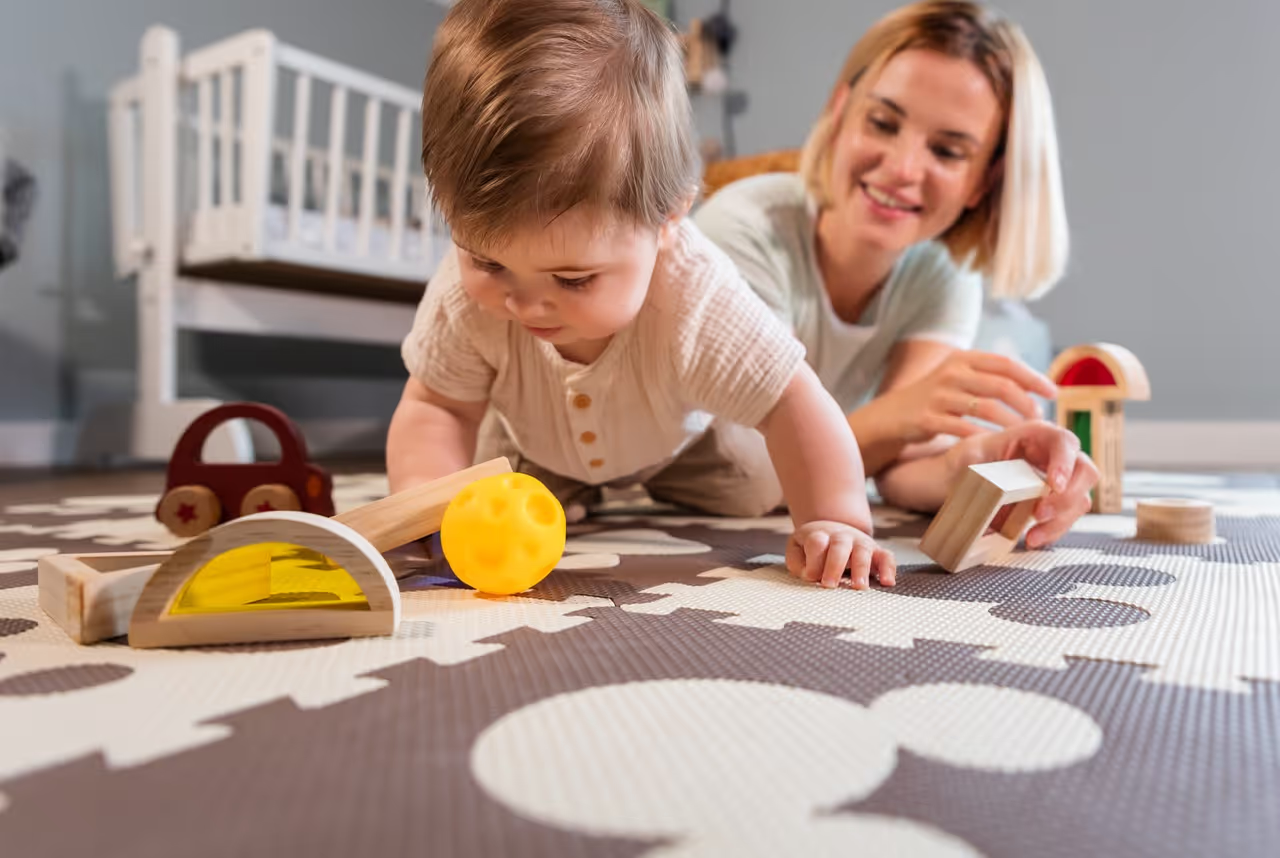
Infants spend the vast majority of their first two years in direct contact with the floor. Because they breathe more air relative to their body weight and have frequent hand-to-mouth habits, the dust and off-gassing from flooring materials pose a disproportionate risk to their developing endocrine and neurological systems.
1. The EVA Foam Deception
Many "non-toxic" play mats are made of EVA (Ethylene Vinyl Acetate). While marketed as safer than PVC, EVA foam often contains Formamide, a chemical used to make the foam soft and flexible.
- The Risk: Formamide is classified as a developmental toxicant. It can be absorbed through the skin or inhaled as it off-gasses.
- The Reality: Even "Formamide-free" labels can be misleading, as they often only mean the levels are below a certain detection limit, not that the chemical is absent.
2. The PVC & Phthalate Red Flag
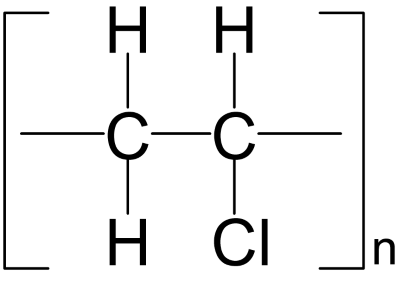
PVC (Polyvinyl Chloride) is widely considered the most toxic plastic for human health. To make PVC into a squishy play mat, manufacturers add plasticizers called phthalates.
- The Hazard: Phthalates are semi-volatile, meaning they continuously migrate out of the mat and into the air and floor dust.
- The Warning: If a mat has a strong "plastic" or "pool toy" smell, it is actively off-gassing VOCs and should be removed from the home immediately.
Getty Images
3. Safer Alternatives: The Gold Standard
When selecting a surface for crawling and play, prioritize materials that are inherently stable and do not require chemical softeners.
- Natural Rubber: Derived from the hevea brasiliensis tree. Ensure it is "100% Natural Rubber" and not a synthetic blend (SBR).
- Organic Cotton Padded Mats: Best for non-mobile infants. Look for GOTS certification to ensure no pesticides or heavy-metal dyes were used.
- Cork: Naturally antimicrobial and fire-resistant without added chemicals. Ensure the binders used are formaldehyde-free.
4. Implementation: The Safe Surface Protocol
If you are currently using a questionable foam mat, follow these steps:
- The Sunlight Test: If the mat is old and starts to crumble or flake, it is releasing microplastics and concentrated chemicals. Discard it immediately.
- HEPA Vacuuming: Use a vacuum with a sealed HEPA filter daily around play areas to capture toxic dust that settles from furniture and mats.
- Shoe-Free Zone: 80% of the pesticides and heavy metals (like lead) found on indoor floors are tracked in from outside. Implement a strict "no shoes" policy to protect the play surface.
5. Verified Certifications for Flooring
Don't take the brand's word for it. Check the physical label or website for:
- GOLS (Global Organic Latex Standard): For rubber mats.
- Greenguard Gold: Ensures low chemical emissions.
- Oeko-Tex Standard 100: Limits the use of harmful chemicals in the textile portions of the mat.
Contact
Visit us
Connect with our environmental health team for personalized home audits and guidance on your family's journey toward a non-toxic lifestyle.
Get in Touch
Email us
support@safebabyhealthychild.comcall us
(888) 779-6787