




10 Best Foods to Strengthen Children's Eyesight
Developing eyes need more than screen breaks—they need the right nutrients. Here are ten everyday foods that support sharper vision, macular protection, and healthy retinal growth.
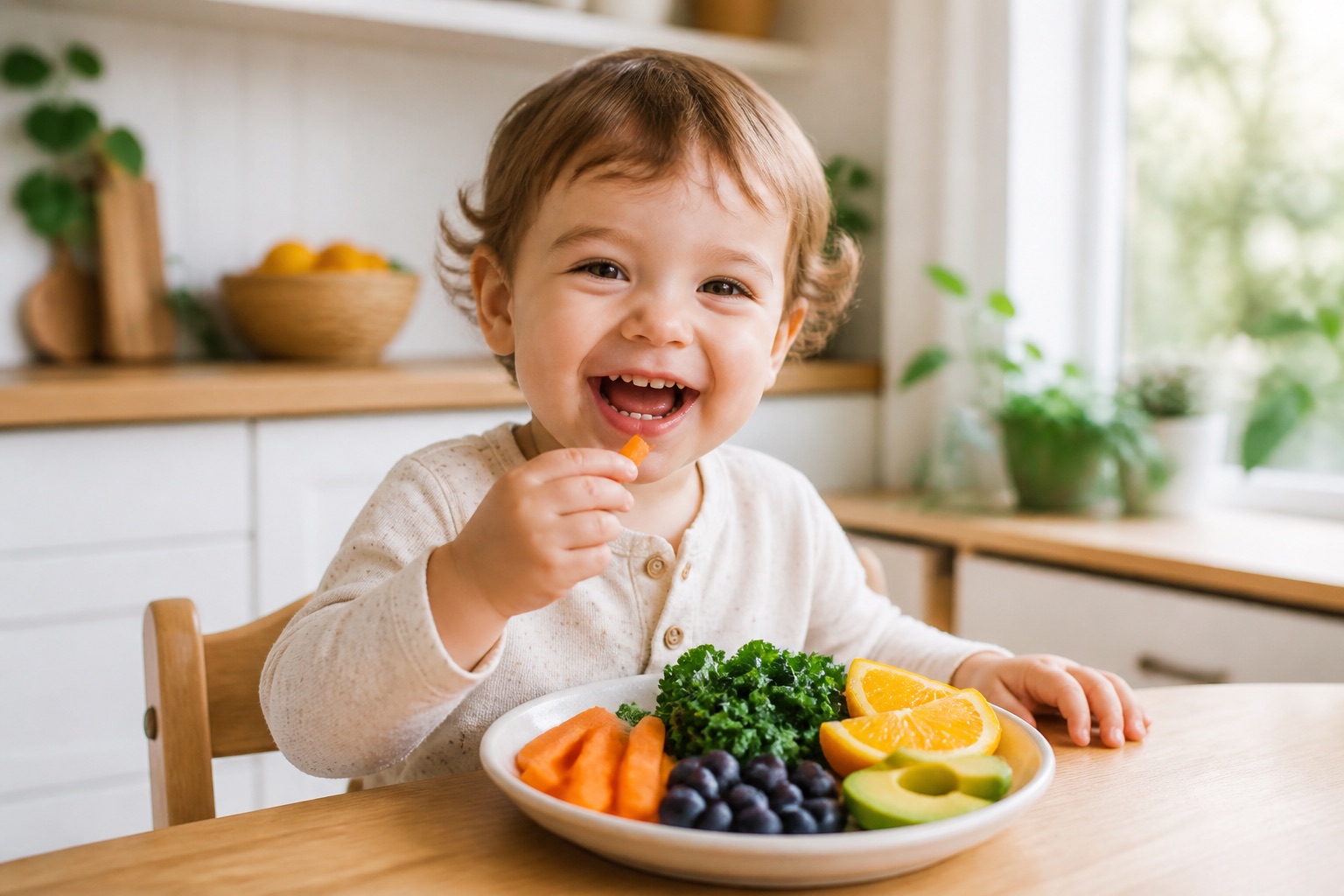

Eat Color. Protect Vision. Grow Strong.
- Vitamin A & Beta-Carotene Foods
- Lutein & Zeaxanthin Sources
- Omega-3 for Retinal Health
- Antioxidant Fruits & Veggies
- Simple Weekly Plate Plan
.svg)
Research-Driven
.svg)
Expert Access
About the guide
Children's eyes grow rapidly—and so does their demand for nutrients that protect the retina, support night vision, and help filter blue light from screens. This guide highlights ten practical foods you can rotate into everyday meals without specialty supplements.
.svg)
.svg)


Nutrition Plays an Active Role in Eye Health
Deficiencies of vitamin A, B vitamins, vitamin C, vitamin E, lutein, zeaxanthin, zinc, and essential fatty acids can contribute to vision problems. The plant-based foods below are among the most beneficial for children's vision and overall eye health.
1. Green Leafy Vegetables & Orange Roots
Start with the classics that deliver vitamin A, lutein, and protective antioxidants in everyday meals.
- Leafy greens: Spinach, kale, broccoli, and collards are rich in vitamins A and C plus calcium—foundational for healthier vision.
- Carrots & sweet potatoes: Yellow and orange vegetables are high in vitamin A and beta-carotene, linked with better eyesight, retinal health, and protection from sun damage.
- Pair with fat: Vitamin A absorption improves with healthy fats—think avocado or olive oil for better uptake of beta-carotene.
2. Berries, Plant Omega-3s, Zucchini & Avocado
These foods support night vision, reduce eye fatigue, and deliver lutein and zeaxanthin without relying on high-mercury fish.
- Blueberries & grapes: Anthocyanins support night vision and dark adaptation; blueberries can also help reduce eye fatigue.
- Plant omega-3s: Ground flax, walnuts, and dark greens support circulation and eye function without mercury concerns from fish.
- Zucchini & avocado: Both are rich in lutein and zeaxanthin; avocado contains more lutein than most fruits.a little olive oil to help absorb lutein—then offer with cheese or hummus for picky eaters.
3. Bright Fruits, Vitamin C, Almonds & Cabbage
Round out the list with colorful fruits, vitamin E–rich almonds, and cabbage for everyday eye support.
- Orange/yellow fruits: Mango, pumpkin, apricot, and papaya supply vitamin A and carotenoids that support night vision.
- High vitamin C fruits: Lemons, oranges, tomatoes, and guava help protect against degenerative eye stress; tomatoes also add lycopene and lutein.Blueberries add anthocyanin antioxidants—serve as snacks or stirred into yogurt. Nuts & seeds (almonds, walnuts) bring vitamin E; offer age-appropriate portions or nut butters for younger kids.
4. Almonds, Cabbage & Balance
Vitamin E foods matter—but keep plant fats moderate so blood and oxygen delivery to the eyes stay efficient.
- Almonds: Rich in vitamin E for eye health—use small portions; excess fat can thicken blood and reduce oxygen delivery to the eyes.
- Cabbage: Abundant in vitamin C (even richer than oranges) plus vitamin E for overall eye support.
- The full ten: Leafy greens, carrots/sweet potatoes, blueberries/grapes, plant omega-3s, zucchini, avocado, orange/yellow fruits, vitamin C fruits, almonds, cabbage.
5. Implementation: Weekly Eyesight Plate Checklist
- [ ] Leafy greens or broccoli at least 3 times this week.
- [ ] Orange veggies (carrots or sweet potatoes) twice this week.
- [ ] Berries, avocado/zucchini, and a vitamin C fruit in the snack rotation.
- [ ] Small serving of almonds or walnuts—plus cabbage or leafy greens for plant omega-3s.
Contact
Visit us
Connect with our environmental health team for personalized home audits and guidance on your family's journey toward a non-toxic lifestyle.
Get in Touch
Email us
support@safebabyhealthychild.comcall us
(888) 779-6787